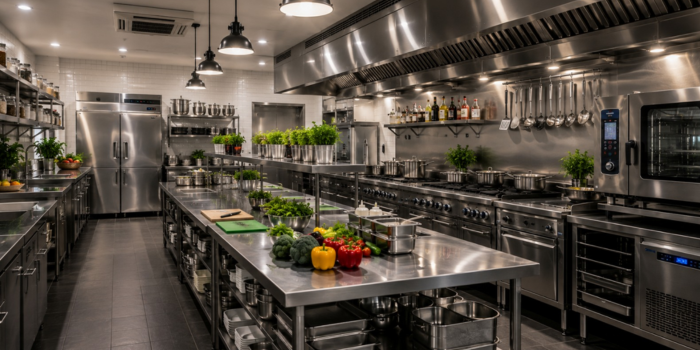
Festive seasons are among the busiest and most profitable times for restaurants, hotels, cloud kitchens, catering businesses, and food service establishments. Customer footfall increases, online food orders rise, and catering requests become more frequent. While this creates excellent business opportunities, it also places significant pressure on commercial kitchens. Without proper preparation, businesses may experience delayed orders, equipment breakdowns, inventory shortages, and dissatisfied customers.
Successful kitchens don’t wait until the festive season begins to prepare. They build a strategy well in advance to ensure every department is ready for higher production volumes. Proper planning allows staff to work confidently, maintain food quality, and deliver excellent customer service even during peak demand.
Achieving Commercial Kitchen Readiness starts with evaluating current operations, identifying possible challenges, and implementing practical improvements before business activity reaches its highest level.
Review Previous Festive Season Performance
The best way to prepare for a busy season is by learning from previous experiences.
Managers should review:
- Daily order volumes
- Customer feedback
- Delayed orders
- Equipment issues
- Inventory shortages
- Staff scheduling challenges
- Food waste reports
Understanding past performance helps businesses make better operational decisions for the upcoming festive season.
Forecast Customer Demand
Accurate forecasting helps restaurants prepare for increased business activity without unnecessary expenses.
Factors to consider include:
- Seasonal customer trends
- Festival holidays
- Advance bookings
- Catering enquiries
- Online delivery demand
- Corporate food orders
A realistic forecast allows businesses to allocate resources more effectively while reducing operational stress.
Create a Detailed Operational Plan
Every successful commercial kitchen follows a structured plan before the festive season begins.
Effective Kitchen Operations Planning should include:
- Staff scheduling
- Ingredient purchasing
- Equipment inspections
- Food preparation schedules
- Cleaning routines
- Delivery coordination
- Emergency backup procedures
Having a documented plan helps employees understand their responsibilities and reduces confusion during busy service hours.
Increase Ingredient Inventory Wisely
Running out of essential ingredients during peak service can seriously affect customer satisfaction.
Restaurants should:
- Stock high-demand ingredients
- Monitor expiry dates
- Organize storage areas
- Label inventory clearly
- Follow FIFO inventory methods
- Maintain emergency stock levels
Buying strategically helps businesses avoid unnecessary waste while ensuring uninterrupted operations.
Inspect All Kitchen Equipment
Commercial kitchens depend on reliable equipment throughout the festive season.
Managers should inspect:
- Cooking appliances
- Refrigeration units
- Ventilation systems
- Electrical connections
- Water supply
- Safety devices
Routine inspections reduce the risk of unexpected breakdowns during high-demand periods.
Upgrade Equipment if Necessary
As production increases, outdated equipment may struggle to meet operational requirements.
Investing in Commercial Catering Equipment helps businesses improve productivity while maintaining consistent food quality.
Modern equipment offers benefits such as:
- Faster cooking
- Better temperature control
- Improved energy efficiency
- Reduced maintenance
- Increased reliability
- Higher production capacity
Reliable equipment supports uninterrupted kitchen operations throughout the festive season.
Prepare Staff Before the Rush
Employees play an essential role in managing busy service periods.
Training sessions should cover:
- Updated workflows
- Food safety practices
- Equipment operation
- Customer order management
- Emergency procedures
- Team communication
Well-prepared staff respond more effectively under pressure and help maintain service quality.
Organize Workstations Efficiently
An organized kitchen reduces delays and improves employee productivity.
Preparation stations should include:
- Frequently used ingredients
- Essential utensils
- Measuring equipment
- Cleaning supplies
- Protective equipment
Keeping workstations organized allows employees to complete tasks with fewer interruptions.
Increase Production Capacity
As customer demand grows, kitchens must be prepared to produce larger quantities without compromising quality.
Businesses should evaluate their Commercial Kitchen Capacity by reviewing:
- Cooking station availability
- Storage space
- Staff allocation
- Equipment performance
- Production schedules
Understanding production limits helps managers plan resources more effectively during busy periods.
Strengthen Team Communication
Clear communication becomes even more important during festive operations.
Restaurants can improve communication by:
- Holding daily briefing sessions
- Assigning specific responsibilities
- Using digital order systems
- Confirming priority orders
- Monitoring service progress
Strong teamwork reduces mistakes and keeps operations running smoothly.
Maintain High Hygiene Standards
Busy kitchens should never compromise food safety.
Daily hygiene practices include:
- Cleaning workstations regularly
- Sanitizing equipment
- Proper waste disposal
- Employee hand hygiene
- Safe food storage
- Routine inspections
Maintaining cleanliness protects customers and supports regulatory compliance.
Prepare for Unexpected Challenges
Every commercial kitchen should have contingency plans for emergencies.
Possible situations include:
- Equipment failure
- Power interruptions
- Supplier delays
- Staff shortages
- Sudden increases in customer demand
Having backup procedures minimizes operational disruption and helps maintain customer service.
Focus on Customer Satisfaction
During festive periods, customers expect both quality food and timely service.
Businesses should prioritize:
- Accurate order preparation
- Consistent food quality
- Fast service
- Friendly customer interactions
- Reliable delivery schedules
A positive customer experience often leads to repeat business and stronger brand reputation.
Support Long-Term Business Growth
Effective Restaurant Peak Season Preparation benefits businesses beyond a single festive period. The operational improvements introduced during seasonal planning often continue to improve efficiency throughout the year.
Long-term advantages include:
- Better workflow
- Improved employee productivity
- Lower operational costs
- Increased customer loyalty
- Stronger business reputation
- Sustainable business growth
Restaurants that prepare early are better positioned to handle future seasonal demand with confidence.
Conclusion
Festive seasons bring valuable opportunities for growth, but they also require careful preparation. Businesses that plan ahead, organize operations, maintain equipment, train staff, and manage inventory effectively are more likely to deliver exceptional service during their busiest periods.
A proactive approach helps commercial kitchens maintain efficiency, protect food quality, and create memorable dining experiences for customers. With the right preparation, the festive season becomes not only a busy period but also an opportunity to strengthen business performance and build long-term customer trust.