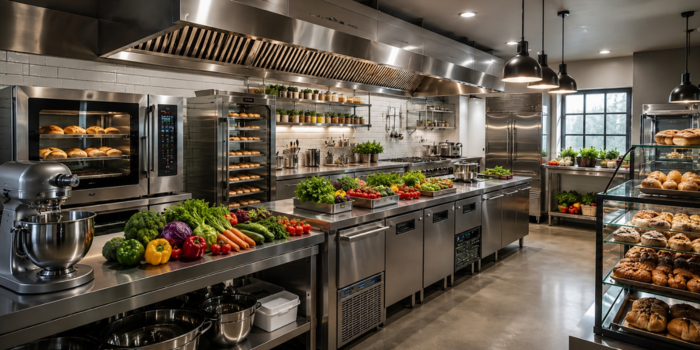
In today’s hospitality industry, speed is one of the most important factors that influence customer satisfaction and business success. Restaurants, hotels, cloud kitchens, catering units, and food production facilities are expected to prepare large volumes of food without compromising quality or consistency. As customer expectations continue to rise, professional kitchens must adopt better methods to reduce cooking time while maintaining high standards.
Faster cooking is not simply about increasing the heat or asking employees to work harder. It is the result of careful planning, advanced equipment, intelligent kitchen design, and efficient operational practices. Modern kitchens rely on innovation and precision to improve daily performance while reducing energy consumption and operational delays.
The science behind faster cooking involves understanding how heat is transferred, how equipment performs under continuous use, and how kitchen operations can be optimized to eliminate unnecessary waiting time. Businesses that invest in modern systems often experience improved productivity, lower operating costs, and a better overall customer experience.
Understanding Heat Transfer in Commercial Kitchens
Every cooking process depends on heat transfer. Whether food is boiled, fried, steamed, grilled, or sautéed, the cooking speed is determined by how efficiently heat reaches the food.
Traditional cooking methods often lose a significant amount of heat before it reaches the cookware. This results in longer cooking times and increased energy consumption. Modern Commercial Cooking Technology is designed to transfer heat more efficiently, allowing food to cook faster while maintaining accurate temperature control.
Efficient heat transfer provides several advantages:
- Faster cooking performance
- Better temperature consistency
- Reduced energy loss
- Improved food quality
- Lower operating expenses
When heat is delivered directly and accurately, kitchens can prepare meals more quickly without sacrificing consistency.
Why Equipment Quality Makes a Difference
The quality of kitchen equipment directly affects cooking speed and operational reliability. Professional kitchens operate for long hours and prepare hundreds of meals every day, making durable equipment essential for maintaining uninterrupted performance.
Using High Performance Kitchen Equipment enables businesses to manage high production volumes while maintaining consistent cooking results.
Some key advantages include:
- Faster heating and recovery times
- Reliable performance during continuous operation
- Reduced maintenance requirements
- Improved safety features
- Longer equipment lifespan
- Better productivity throughout the day
Choosing equipment designed specifically for commercial use allows kitchens to perform efficiently even during peak service hours.
The Role of Induction Cooking
One of the biggest advancements in modern commercial kitchens is induction cooking. Unlike conventional cooking methods, induction technology transfers heat directly to compatible cookware instead of heating the surrounding surface first.
This process makes Induction Cooking Systems faster, cleaner, and more energy efficient than many traditional alternatives.
Key benefits include:
- Instant heat generation
- Precise temperature control
- Faster boiling and cooking
- Reduced kitchen temperature
- Lower energy consumption
- Enhanced workplace safety
Because less heat is wasted, employees work in a more comfortable environment while businesses benefit from lower operating costs.
Kitchen Workflow Plays an Important Role
Even the most advanced equipment cannot improve cooking speed if the kitchen is poorly organized. Employees should be able to move easily between preparation, cooking, and serving stations without unnecessary interruptions.
An efficient kitchen layout helps reduce walking distances, improves communication, and allows multiple tasks to happen simultaneously.
Well-organized kitchens typically include:
- Clearly defined workstations
- Accessible ingredient storage
- Dedicated preparation zones
- Efficient cleaning areas
- Logical equipment placement
A properly planned workspace reduces delays and improves overall productivity.
Preparation Before Cooking Saves Valuable Time
Many successful kitchens reduce cooking time by completing preparation tasks before service begins. Preparing ingredients in advance allows chefs to focus entirely on cooking once customer orders start arriving.
Preparation activities often include:
- Washing vegetables
- Cutting ingredients
- Portioning proteins
- Preparing sauces
- Organizing seasonings
- Arranging cooking utensils
Advance preparation minimizes interruptions and supports faster meal production during busy periods.
Temperature Consistency Improves Cooking Speed
Maintaining a stable cooking temperature is essential for both speed and food quality. Frequent temperature fluctuations increase cooking time and may affect consistency.
Modern cooking equipment is designed to maintain accurate temperatures throughout the cooking process.
Consistent temperatures provide:
- Even cooking
- Better food texture
- Reduced preparation time
- Improved product quality
- Greater operational reliability
Reliable temperature control also helps reduce food waste caused by overcooking or undercooking.
Staff Training Supports Faster Operations
Technology alone cannot improve kitchen performance. Employees must understand how to use equipment correctly and follow standardized operating procedures.
Regular training helps staff improve:
- Equipment operation
- Food preparation techniques
- Time management
- Workplace safety
- Team communication
Well-trained employees work with greater confidence and complete tasks more efficiently.
Organized Kitchens Reduce Operational Delays
Disorganized kitchens often experience unnecessary delays because employees spend valuable time searching for ingredients, utensils, or equipment.
Improving Commercial Kitchen Efficiency involves creating a structured environment where every item has a designated place.
Simple organizational improvements include:
- Labelled storage containers
- Clearly marked preparation areas
- Organized cooking stations
- Regular inventory management
- Clean work surfaces
An organized kitchen allows staff to focus on cooking rather than locating supplies.
Why Energy Efficiency Matters
Energy efficiency has become an important consideration for commercial kitchens. Equipment that cooks faster while consuming less electricity helps businesses reduce operating expenses.
Benefits of energy-efficient operations include:
- Lower utility costs
- Reduced environmental impact
- Improved equipment performance
- Better workplace comfort
- Increased long-term savings
Businesses that invest in modern cooking systems often recover their investment through lower operational costs over time.
The Future of Commercial Kitchens
The hospitality industry continues to evolve with new technologies designed to improve speed, safety, and productivity. Automation, digital monitoring, and intelligent cooking equipment are helping businesses meet growing customer expectations.
Investing in Smart Cooking Solutions allows restaurants, hotels, and catering businesses to remain competitive while improving operational performance.
Future-ready kitchens benefit from:
- Faster food preparation
- Better energy management
- Consistent cooking quality
- Increased employee productivity
- Improved customer satisfaction
- Lower maintenance requirements
As technology continues to advance, commercial kitchens that embrace innovation will be better prepared for future business growth.
Conclusion
Faster cooking is not achieved through higher temperatures alone. It is the result of combining efficient equipment, intelligent kitchen design, organized workflows, skilled employees, and modern cooking technology. Every improvement made within the kitchen contributes to shorter preparation times, better food quality, and smoother daily operations.
Businesses that invest in the right systems create kitchens that are more productive, cost-effective, and capable of handling increasing customer demand. By understanding the science behind efficient cooking, commercial kitchens can improve performance while delivering consistent results every day.