The food industry has changed significantly over the last few years, and cloud kitchens have emerged as one of the most profitable business models for food entrepreneurs. With the rapid growth of online ordering platforms and food delivery apps, many businesses are choosing delivery-only operations instead of investing in large dine-in spaces.
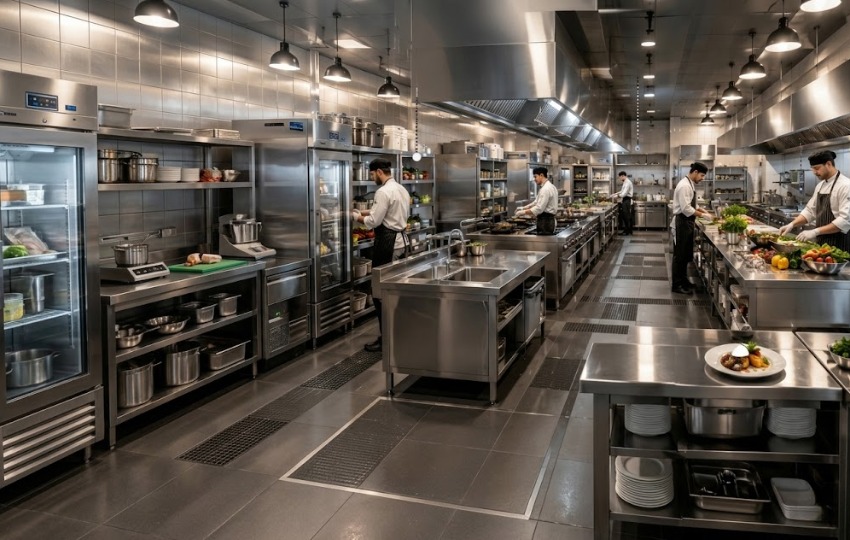
A successful Cloud Kitchen Setup is not just about having a great menu. The right equipment, proper kitchen planning, and efficient operations play a major role in determining long-term success. Before launching your cloud kitchen, it is important to understand the essential equipment required to handle orders efficiently while maintaining food quality and consistency.
Understanding the Importance of Proper Kitchen Planning
Since cloud kitchens focus entirely on delivery orders, every aspect of the kitchen must be designed for speed and efficiency. Unlike traditional restaurants, there is no dining area, which means the entire space can be optimized for food preparation, cooking, and packaging.
Proper Kitchen Workflow Planning helps reduce unnecessary movement, improves productivity, and allows staff to handle a larger number of orders during busy hours. A well-organized kitchen can significantly improve operational efficiency and customer satisfaction.
Essential Cooking Equipment
Cooking equipment forms the foundation of every cloud kitchen. The type of equipment required depends on the cuisine being offered, but certain appliances are considered essential for most operations.
Some commonly used equipment includes induction ranges, fryers, griddles, steamers, and cooking kettles. These appliances help chefs prepare food quickly while maintaining consistent quality.
Investing in reliable Commercial Kitchen Equipment is important because cloud kitchens often operate continuously throughout the day. Durable and efficient equipment can reduce downtime and support smooth daily operations.
Food Preparation Equipment
Preparation is one of the most time-consuming activities in any kitchen. Using the right preparation tools can improve speed and consistency while reducing manual effort.
Food processors, vegetable cutters, dough mixers, and stainless-steel preparation tables are commonly used in cloud kitchens. These tools help streamline operations and ensure ingredients are prepared accurately before cooking begins.
Efficient preparation processes allow kitchens to handle higher order volumes without compromising quality.
Refrigeration and Storage Solutions
Proper storage is essential for maintaining ingredient freshness and food safety. Every cloud kitchen requires refrigeration systems capable of storing vegetables, dairy products, meat, sauces, and other perishable ingredients.
Refrigerators, freezers, and storage racks help organize inventory and ensure ingredients remain in good condition. Adequate storage planning also reduces food wastage and supports better inventory management.
A well-maintained storage system contributes directly to operational efficiency and food quality.
Packaging and Dispatch Area
In a delivery-focused business, packaging is just as important as cooking. Food must reach customers in the best possible condition, making an organized packaging station essential.
The packaging area should be designed to support quick order processing, proper labeling, and smooth dispatch operations. Having a dedicated section for packaging helps reduce delays and improves order accuracy.
Since customer experience depends heavily on delivery quality, businesses should pay special attention to this area.
Cleaning and Hygiene Requirements
Maintaining cleanliness is critical in every commercial kitchen. A clean environment not only supports food safety but also helps businesses comply with industry standards.
Sink units, waste management systems, and proper cleaning stations should be included in every kitchen setup. Regular cleaning routines help maintain hygiene and create a professional working environment for employees.
Customers may never see the kitchen, but hygiene standards directly influence food quality and business reputation.
Safety and Ventilation Considerations
Safety should always be a priority when setting up a cloud kitchen. Proper ventilation systems help control heat, improve air circulation, and create a comfortable working environment.
Fire safety equipment, emergency exits, and first-aid facilities should also be included as part of the setup process. A safe kitchen environment helps reduce operational risks and ensures smoother daily operations.
Technology for Better Order Management
Modern cloud kitchens rely heavily on technology to manage orders efficiently. Digital order management systems, inventory tracking software, and billing platforms help businesses streamline operations and reduce errors.
Technology also provides valuable insights into order trends, inventory usage, and overall business performance. As order volumes increase, these systems become essential for maintaining efficiency.
A growing Food Delivery Business can benefit greatly from investing in the right digital tools from the beginning.
Essential Equipment Checklist
Before opening your cloud kitchen, make sure the following categories are covered:
- Cooking equipment
- Preparation tools
- Refrigeration systems
- Storage solutions
- Packaging stations
- Cleaning facilities
- Ventilation systems
- Safety equipment
- Order management technology
Following a structured Restaurant Equipment Checklist can help prevent costly mistakes and ensure that all operational requirements are addressed before launch.
Conclusion
Setting up a cloud kitchen requires careful planning, smart equipment selection, and an efficient operational strategy. Every component, from cooking appliances and preparation tools to refrigeration systems and packaging stations, plays an important role in daily performance.
A well-designed cloud kitchen can improve productivity, reduce operational challenges, and support long-term business growth. As online food ordering continues to expand in 2026, businesses that invest in the right infrastructure will be better positioned to meet customer expectations and achieve sustainable success.