
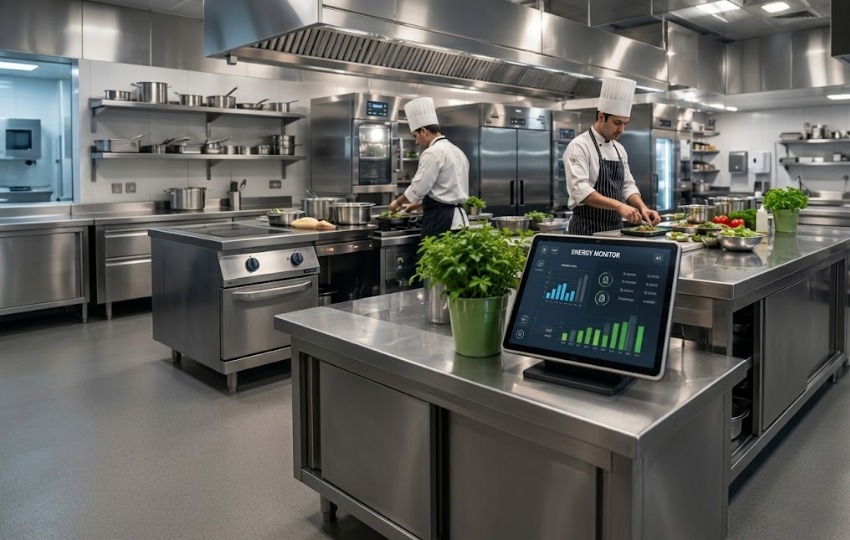
Why Kitchen Layout Matters More Than Ever in 2026
In 2026, running a successful restaurant is not just about serving delicious food. Speed, consistency, hygiene, and workflow efficiency have become the foundation of profitable food businesses. No matter how talented the chefs are, a poorly planned kitchen layout can slow down operations, increase stress, and reduce profits.
Modern restaurants are now realizing that kitchen design directly affects customer satisfaction and business performance.
That’s why restaurants, cafés, hotels, bakeries, and cloud kitchens are investing in smart Commercial Kitchen Equipment and optimized layouts that improve operational efficiency from preparation to final plating.
The Biggest Problem with Poor Kitchen Layouts
Many restaurant kitchens are designed without proper workflow planning. During peak hours, staff members cross each other constantly, preparation gets delayed, and communication becomes difficult.
This creates multiple operational problems:
- Slower food preparation
- Increased food wastage
- Staff confusion during rush hours
- Higher maintenance issues
- Excessive energy consumption
- Delayed customer service
Even a small design mistake inside the kitchen can impact the entire restaurant experience.
In 2026, restaurants cannot afford operational inefficiency. That is why businesses are moving toward professional Restaurant Kitchen Solutions that focus on productivity and workflow optimization.
The Ideal Restaurant Kitchen Workflow
An efficient kitchen layout always follows a smooth workflow system.
Ingredients should move naturally from storage to preparation, cooking, plating, and service without unnecessary movement or delays.
A properly designed commercial kitchen generally includes:
- Storage Area
- Preparation Section
- Cooking Zone
- Cleaning Station
- Service & Plating Area
When these sections are organized correctly, restaurant staff can work faster and more efficiently.
Modern kitchens are now designed using advanced Industrial Kitchen Equipment that supports high-volume cooking while maintaining speed and consistency.
Smart Storage Systems Improve Kitchen Performance
Storage is one of the most important areas in a restaurant kitchen.
Poor storage planning leads to ingredient wastage, spoilage, and unnecessary delays during food preparation. Smart kitchens now use organized refrigeration systems, modular shelves, and space-saving storage units to maximize efficiency.
Modern cold storage solutions help restaurants maintain freshness while reducing food loss and operational expenses.
This is why advanced Stainless Steel Kitchen Equipment is becoming essential in commercial kitchens. Stainless steel systems are durable, hygienic, corrosion-resistant, and easy to maintain.
Cooking Stations Should Be Designed for Speed
The cooking area is the heart of every restaurant kitchen.
If chefs need to move excessively between stations, service speed automatically decreases. Smart kitchens now focus on compact and ergonomic cooking layouts where everything is placed within easy reach.
Restaurants are using customized cooking stations equipped with:
- Energy-efficient burners
- Smart ovens
- High-performance fryers
- Multi-purpose preparation counters
- Heat control systems
These improvements help reduce preparation time while increasing output during peak business hours.
Ventilation Plays a Huge Role in Kitchen Efficiency
One of the most ignored aspects of kitchen design is ventilation.
Excessive heat inside kitchens affects staff productivity, food quality, and equipment performance. Poor ventilation also increases discomfort and creates unhealthy working conditions.
Modern restaurant kitchens now include advanced exhaust systems and airflow management technology that improves air circulation and temperature control.
A well-ventilated kitchen creates a more comfortable environment for staff while also extending the lifespan of kitchen equipment.
Cloud Kitchens Need Smarter Layout Planning
The rapid growth of food delivery businesses has changed kitchen design completely.
Cloud kitchens operate in compact spaces while handling large volumes of online orders. Every inch of space matters.
That is why delivery-focused food brands are choosing modular kitchen layouts that improve workflow without requiring large areas.
Smart kitchen planning allows cloud kitchens to process more orders efficiently while maintaining food consistency and delivery speed.
In 2026, flexible kitchen layouts are becoming essential for scaling food businesses successfully.
Hygiene-Centered Kitchen Design Is the Future
Customers today expect restaurants to maintain the highest hygiene standards.
Modern kitchen layouts now prioritize cleanliness through easy-to-clean surfaces, separate preparation zones, organized waste management systems, and hygienic food storage areas.
Restaurants are increasingly investing in premium Kitchen Equipment Manufacturers that provide durable and food-safe kitchen systems suitable for heavy commercial usage.
A clean and organized kitchen not only improves food safety but also builds customer trust and brand reputation.
Efficient Kitchen Layouts Increase Restaurant Profits
A smart kitchen layout does much more than improve workflow.
It helps restaurants:
- Reduce operational costs
- Improve service speed
- Increase staff productivity
- Lower food wastage
- Save energy consumption
- Enhance customer satisfaction
Every second saved inside the kitchen contributes directly to higher profitability.
That is why successful restaurants are now treating kitchen planning as a long-term business investment rather than just an infrastructure expense.
Conclusion
In 2026, the success of a restaurant begins long before the food reaches the customer’s table. A well-designed kitchen layout improves workflow, reduces stress, increases operational efficiency, and creates a smoother experience for both staff and customers.
From intelligent storage systems and energy-efficient cooking stations to advanced ventilation and hygienic workspaces, modern commercial kitchens are built to maximize productivity and profitability.
Restaurants that invest in smart kitchen infrastructure today are building stronger businesses for the future.
And when it comes to innovative, efficient, and reliable commercial kitchen solutions, Woltura continues to power the future of modern restaurant kitchens.