
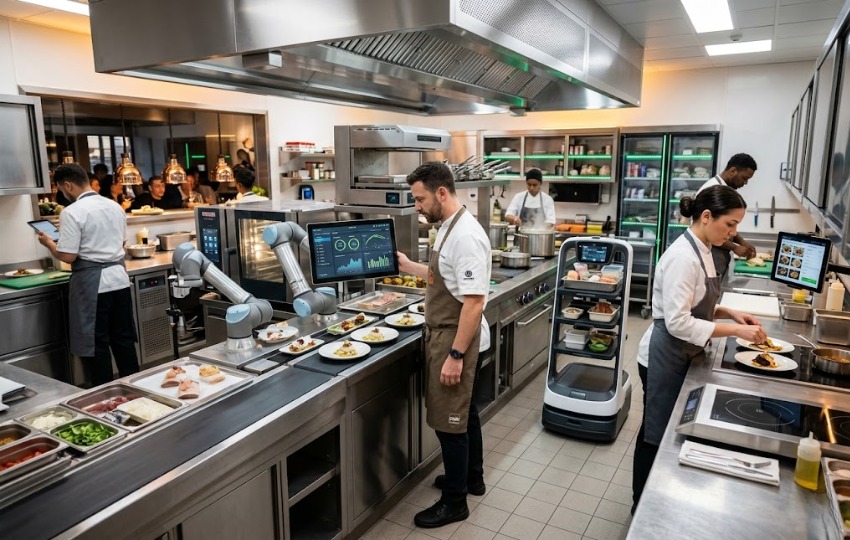
Rising Operational Costs Are Changing the Restaurant Industry
In 2026, restaurant owners are facing one major challenge — increasing operational expenses. Electricity bills, gas consumption, equipment maintenance, and cooling costs are rising rapidly, especially for restaurants that operate for long hours every day.
Many food businesses focus only on increasing sales, but smart restaurant owners are now focusing equally on reducing unnecessary expenses.
That is where energy-efficient kitchens are making a huge difference.
Modern restaurants, hotels, cafés, bakeries, and cloud kitchens are now investing in advanced Energy Efficient Kitchen Equipment to reduce monthly operational costs while improving kitchen performance.
Traditional Kitchens Consume More Power Than Expected
Older kitchen setups are one of the biggest reasons for high electricity bills in restaurants.
Outdated refrigerators, inefficient cooking ranges, poor ventilation systems, and continuously running appliances consume massive amounts of energy every single day.
Most restaurant owners don’t realize how much money is being lost because of inefficient kitchen infrastructure.
In busy commercial kitchens, even small energy leaks become huge yearly expenses.
That is why modern food businesses are replacing outdated systems with smart Commercial Cooking Equipment designed for better performance and lower energy consumption.
Smart Refrigeration Systems Reduce Electricity Costs
Refrigeration units operate 24/7 in almost every restaurant.
If the cooling system is outdated, it consumes excessive electricity while also affecting ingredient freshness and food quality.
Modern kitchens now use intelligent refrigeration systems with energy-saving compressors, temperature control technology, and optimized airflow systems that reduce power usage significantly.
Energy-efficient refrigeration not only lowers electricity bills but also reduces food spoilage and maintenance expenses.
For restaurants handling high-volume storage, this becomes a major long-term financial advantage.
Efficient Ventilation Systems Improve Kitchen Performance
One of the biggest hidden energy consumers in commercial kitchens is poor ventilation.
Excessive heat forces cooling systems to work harder, increasing electricity consumption throughout the day. At the same time, uncomfortable kitchen environments reduce staff productivity.
Modern kitchens are now designed with advanced Commercial Kitchen Ventilation Systems that improve airflow, remove excess heat, and maintain balanced kitchen temperatures efficiently.
Better ventilation helps restaurants:
- Reduce cooling costs
- Improve staff comfort
- Increase equipment lifespan
- Maintain safer kitchen environments
This directly contributes to lower operational expenses and smoother kitchen performance.
Smart Cooking Equipment Saves Time and Energy
Cooking equipment plays a major role in restaurant energy consumption.
Traditional cooking systems waste heat and consume more fuel during high-volume operations. Smart kitchens now use induction technology, high-efficiency burners, automated ovens, and energy-saving fryers to improve cooking speed while reducing power usage.
Modern Professional Kitchen Solutions are designed to maximize output without increasing electricity or gas consumption.
Restaurants using energy-efficient cooking systems are able to handle more orders while spending less on utilities.
Better Kitchen Design Reduces Wastage
An energy-efficient kitchen is not only about machines.
Proper kitchen planning also reduces unnecessary movement, heat loss, water wastage, and equipment overuse.
Modern commercial kitchen layouts are now designed to improve workflow efficiency while minimizing operational strain.
Restaurants are investing in compact workstations, optimized preparation areas, and multi-functional equipment to improve productivity within limited spaces.
This smart approach helps businesses reduce both manpower stress and utility expenses at the same time.
Sustainable Kitchens Are Attracting More Customers
Customers today are becoming more environmentally conscious.
Many people now prefer restaurants that follow sustainable business practices, reduce energy consumption, and maintain eco-friendly operations.
Energy-efficient kitchens help restaurants build a stronger brand image while also improving operational profitability.
Businesses adopting sustainable kitchen infrastructure are not only saving money — they are also building long-term customer trust.
This is why eco-friendly commercial kitchens are becoming one of the biggest trends in the food industry in 2026.
Long-Term Savings Become Massive Over Time
Most restaurant owners initially see energy-efficient kitchen upgrades as an expense.
But in reality, these upgrades become long-term investments.
Lower electricity bills, reduced maintenance costs, fewer equipment breakdowns, and improved operational efficiency help restaurants save lakhs every year.
Over time, the savings generated from smart kitchen systems often become much greater than the original investment itself.
That is why successful restaurant brands are prioritizing energy efficiency while planning new kitchen setups.
Modern Restaurants Need Smarter Kitchen Infrastructure
The food industry is becoming more competitive every year.
Restaurants that continue using outdated kitchen systems will struggle with increasing operational costs and lower efficiency. Meanwhile, businesses investing in modern kitchen infrastructure are gaining better profitability and smoother operations.
From intelligent refrigeration and advanced ventilation to automated cooking systems and optimized layouts, energy-efficient kitchens are shaping the future of the restaurant industry.
Conclusion
In 2026, reducing operational costs is just as important as increasing restaurant sales. Smart energy-efficient kitchens help food businesses improve productivity, lower electricity expenses, reduce wastage, and create better working environments for kitchen staff.
Restaurants that invest in modern kitchen technology today are building stronger and more profitable businesses for the future.
From advanced refrigeration systems to high-performance cooking equipment and sustainable kitchen solutions, energy-efficient infrastructure is becoming the foundation of successful restaurant operations.
And when it comes to delivering innovative, reliable, and future-ready commercial kitchen solutions, Woltura continues to help restaurants build smarter kitchens with maximum efficiency and long-term savings.