The hospitality industry is evolving rapidly, and hotel kitchens are no exception. In 2026, hotel owners are focusing on efficiency, sustainability, automation, and operational excellence to meet growing customer expectations. Modern guests expect consistent food quality, faster service, and higher hygiene standards, making kitchen innovation more important than ever.
As competition within the hospitality sector continues to increase, investing in the right kitchen infrastructure has become a strategic business decision rather than just an operational necessity. Understanding the latest Commercial Kitchen Trends can help hotel owners improve productivity, reduce costs, and create a future-ready food service operation.
The Growing Importance of Modern Kitchen Planning
A hotel’s kitchen is the backbone of its food service operations. Whether serving guests in restaurants, banquet halls, room service, or catering events, kitchen efficiency directly impacts customer satisfaction.
Today’s hotel owners are looking beyond traditional kitchen setups and focusing on solutions that deliver:
- Faster food preparation.
- Improved workflow management.
- Reduced operational costs.
- Better food consistency.
- Enhanced employee productivity.
As technology and customer expectations continue to evolve, hotel kitchens are becoming smarter and more efficient than ever before.
Trend 1: Increased Adoption of Induction Cooking
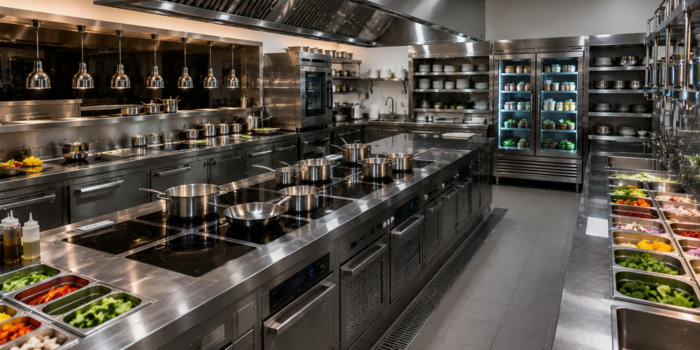
One of the biggest changes happening in commercial kitchens is the growing adoption of induction-based cooking systems.
Hotels are moving away from conventional cooking methods and choosing induction technology because it offers:
- Faster cooking performance.
- Precise temperature control.
- Improved workplace safety.
- Reduced heat generation.
- Better energy utilization.
Induction cooking also helps create a more comfortable working environment for chefs and kitchen staff, especially during peak service hours.
Trend 2: Investment in Advanced Kitchen Equipment
Hotels are increasingly investing in durable and high-performance equipment that can support large-scale food production while maintaining quality standards.
Modern Hotel Kitchen Equipment is designed to:
- Handle continuous daily operations.
- Improve cooking consistency.
- Reduce maintenance requirements.
- Support long-term business growth.
Rather than focusing only on initial purchase costs, hotel owners are evaluating equipment based on durability, efficiency, and long-term value.
Trend 3: Technology-Driven Kitchen Operations
Technology is transforming nearly every aspect of hospitality management, and commercial kitchens are becoming more connected than ever.
The rise of Smart Kitchen Technology is helping hotels improve operational control and efficiency.
Common applications include:
- Digital temperature monitoring.
- Automated cooking controls.
- Performance tracking systems.
- Maintenance alerts.
- Inventory management integration.
These technologies allow kitchen managers to make better decisions and improve daily operations.
Trend 4: Greater Focus on Energy Efficiency
Managing utility expenses has become a major priority for hotels.
With kitchens operating for long hours every day, energy consumption can significantly impact profitability.
Many hotels are adopting Energy Efficient Appliances that help reduce power consumption without affecting performance.
Benefits include:
- Lower electricity expenses.
- Reduced energy waste.
- Improved sustainability.
- Better long-term cost control.
Energy-efficient equipment is becoming a standard requirement rather than an optional upgrade.
Trend 5: Enhanced Kitchen Safety Standards
Workplace safety continues to be a major focus across the hospitality industry.
Hotel owners are investing in kitchen solutions that help minimize risks and create safer working environments.
Safety improvements include:
- Better ventilation systems.
- Advanced fire prevention measures.
- Safer cooking technologies.
- Improved workflow layouts.
- Reduced exposure to excessive heat.
A safer kitchen not only protects employees but also helps reduce operational disruptions.
Trend 6: Optimized Kitchen Layouts
Efficient kitchen design can have a significant impact on productivity.
Hotels are redesigning kitchen spaces to improve movement, reduce delays, and increase operational efficiency.
Goals of modern layouts:
- Faster workflow.
- Reduced staff movement.
- Improved coordination.
- Better utilization of available space.
- Increased productivity during busy service periods.
A well-planned layout can improve service quality while reducing unnecessary effort.
Trend 7: Greater Emphasis on Sustainability
Sustainability is becoming a key business objective for many hospitality brands.
Guests are increasingly aware of environmental practices, encouraging hotels to adopt greener operations.
Sustainable kitchen initiatives include:
- Reducing food waste.
- Improving energy efficiency.
- Using durable equipment.
- Optimizing resource consumption.
- Implementing responsible waste management practices.
These efforts support both environmental goals and operational savings.
Trend 8: Multi-Functional Equipment Solutions
Hotels often manage multiple food service operations simultaneously, including restaurants, banquets, buffets, and room service.
To maximize efficiency, businesses are investing in equipment that can perform multiple functions.
Advantages include:
- Space optimization.
- Reduced equipment requirements.
- Greater operational flexibility.
- Improved productivity.
Multi-functional equipment helps hotels adapt to changing service demands more effectively.
Trend 9: Improved Hygiene and Sanitation Practices
Food safety remains a critical priority in the hospitality industry.
Modern kitchen designs now incorporate features that simplify cleaning and maintenance.
Common improvements include:
- Easy-to-clean surfaces.
- Hygienic workstations.
- Better waste management systems.
- Enhanced cleaning procedures.
These measures help hotels maintain high food safety standards and comply with industry regulations.
Trend 10: Future-Ready Kitchen Infrastructure
Hotels are increasingly planning for long-term growth when designing or upgrading their kitchens.
Rather than focusing solely on current needs, many businesses are investing in scalable systems that can support future expansion.
Future-ready kitchens focus on:
- Operational flexibility.
- Technology integration.
- Sustainable practices.
- Efficient resource management.
- Long-term performance.
The rise of Modern Hospitality Kitchens reflects the industry’s commitment to innovation and continuous improvement.
How These Trends Impact Hotel Profitability
The latest kitchen innovations are not simply about adopting new technology. They directly influence business performance by improving efficiency and reducing operational challenges.
Key business benefits include:
- Lower operating expenses.
- Improved staff productivity.
- Better customer satisfaction.
- Enhanced food quality consistency.
- Increased operational reliability.
Hotels that embrace modern kitchen trends are often better positioned to compete in a rapidly changing hospitality market.
Conclusion
The commercial kitchen landscape is changing significantly in 2026. From induction cooking and smart technology to sustainability and energy efficiency, hotel owners have more opportunities than ever to improve kitchen performance.
Understanding and adopting these emerging trends can help hotels reduce costs, increase productivity, enhance guest experiences, and prepare for future growth. As hospitality businesses continue to evolve, investing in modern kitchen solutions will remain a critical factor in achieving long-term success.