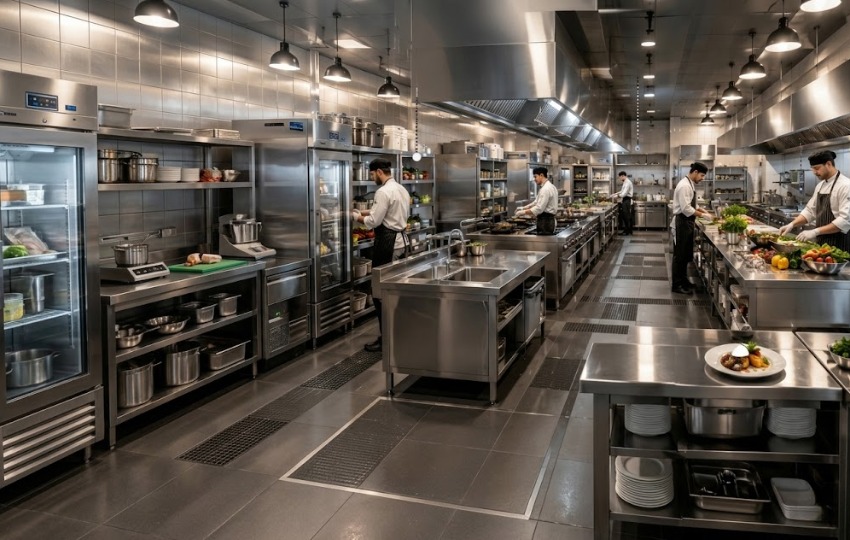
The restaurant industry is constantly evolving to meet changing customer expectations, rising operational costs, and increasing demands for efficiency. In 2026, one of the biggest changes happening across commercial kitchens is the shift from traditional gas cooking to induction technology.
Restaurants, hotels, catering businesses, food courts, and cloud kitchens are actively upgrading their cooking infrastructure to improve productivity and reduce long-term expenses. What was once considered a premium kitchen solution is now becoming a practical investment for businesses of all sizes.
The growing adoption of Commercial Induction Kitchens reflects a larger industry trend toward smarter, safer, and more efficient cooking environments.
The Challenge with Traditional Gas Kitchens
For decades, gas cooking has been the standard choice in commercial kitchens. While it has served the industry well, many restaurant owners are now facing challenges that make gas systems less attractive than before.
Common issues with gas-based kitchens:
- High fuel consumption.
- Rising operational expenses.
- Excessive heat generation.
- Increased maintenance requirements.
- Safety concerns related to open flames.
- Uncomfortable working conditions during peak hours.
As businesses look for better alternatives, induction technology is emerging as a preferred solution.
Rising Energy Costs Are Influencing Decisions
One of the biggest concerns for restaurant owners today is controlling utility expenses. Every kitchen operates for long hours, and even small improvements in efficiency can lead to significant savings over time.
Unlike traditional systems that lose a considerable amount of heat to the surrounding environment, induction technology focuses energy directly on the cookware.
Benefits include:
- Reduced energy wastage.
- Better utilization of power.
- Lower operating costs over time.
- More predictable monthly expenses.
This emphasis on Energy Efficient Cooking helps restaurants improve profitability while maintaining high performance.
Faster Service During Peak Hours
Speed is one of the most important factors in food service operations. Customers expect quick service, whether they are dining in, ordering takeout, or using food delivery platforms.
Kitchen delays can affect customer satisfaction and reduce overall efficiency.
How induction supports faster operations:
- Rapid heating capabilities.
- Instant temperature adjustments.
- Reduced cooking time.
- Faster preparation of high-demand menu items.
These improvements allow restaurants to handle larger order volumes without increasing kitchen stress.
Creating a Safer Kitchen Environment
Safety is a major concern in any commercial food operation. Open flames, gas leaks, and high kitchen temperatures can create risks for employees and business owners.
Many restaurants are now prioritizing workplace safety when upgrading their equipment.
Safety advantages of induction systems:
- No exposed flame.
- Lower risk of accidental fires.
- Reduced chances of gas-related incidents.
- Cooler cooking surfaces.
- Improved overall workplace safety.
Choosing reliable Professional Kitchen Equipment helps businesses protect both staff and operations.
Better Comfort for Chefs and Kitchen Staff
A commercial kitchen can become extremely hot, especially during busy meal periods. Excess heat not only affects comfort but can also reduce staff productivity and increase fatigue.
Induction technology contributes to:
- Cooler kitchen temperatures.
- Improved working conditions.
- Better concentration during long shifts.
- Enhanced employee satisfaction.
A comfortable kitchen environment often leads to better performance and lower staff turnover.
Consistent Cooking Quality
Customers return to restaurants because they expect the same taste and quality every time they visit. Maintaining consistency becomes difficult when temperature control is unreliable.
Induction systems provide precise heat management, allowing chefs to cook with greater accuracy.
Benefits of temperature precision:
- Uniform cooking results.
- Improved food quality.
- Better control over delicate dishes.
- Reduced food wastage.
- Greater confidence during high-volume service.
This consistency helps restaurants strengthen their reputation and customer loyalty.
Easier Cleaning and Maintenance
Kitchen hygiene plays a critical role in restaurant operations. Equipment that is difficult to clean can increase maintenance costs and affect efficiency.
Advantages of induction surfaces:
- Smooth and easy-to-clean design.
- Less grease buildup.
- Reduced maintenance effort.
- Improved kitchen hygiene standards.
With fewer maintenance challenges, staff can focus more on food preparation and customer service.
Supporting Sustainable Business Practices
Sustainability is becoming increasingly important across the hospitality industry. Customers, business owners, and industry leaders are paying closer attention to environmental impact.
Many restaurants are adopting technologies that help reduce unnecessary energy consumption and support responsible operations.
Sustainability benefits:
- Improved energy utilization.
- Reduced heat waste.
- Cleaner cooking environment.
- Better alignment with modern business goals.
These factors make induction systems a valuable part of future-focused kitchen planning.
Meeting the Needs of Modern Restaurants
Today’s food businesses require equipment that can support rapid growth and changing customer demands. Whether operating a fine-dining restaurant or a cloud kitchen, efficiency has become a key competitive advantage.
Why restaurants are upgrading:
- Increasing order volumes.
- Growing customer expectations.
- Need for operational efficiency.
- Focus on staff safety.
- Desire for long-term savings.
Many businesses now view induction technology as an essential component of modern Restaurant Kitchen Solutions rather than an optional upgrade.
Preparing for the Future of Food Service
The restaurant industry is becoming more technology-driven every year. Businesses that invest in advanced kitchen systems today are positioning themselves for long-term success.
As the demand for faster service, higher efficiency, and safer workplaces continues to grow, induction cooking is becoming a practical solution for commercial food operations.
The adoption of Modern Foodservice Technology is helping restaurants create kitchens that are more productive, more sustainable, and better prepared for future challenges.
Conclusion
The shift from gas to induction is not simply a trend—it is a strategic business decision. Restaurant owners are choosing induction technology because it delivers greater efficiency, enhanced safety, improved comfort, and consistent cooking performance.
In 2026, as commercial kitchens continue to modernize, induction systems are becoming the preferred choice for businesses that want to reduce costs, improve operations, and stay competitive in an evolving food service industry. The growing popularity of induction kitchens clearly shows that the future of commercial cooking is smarter, safer, and more efficient.