
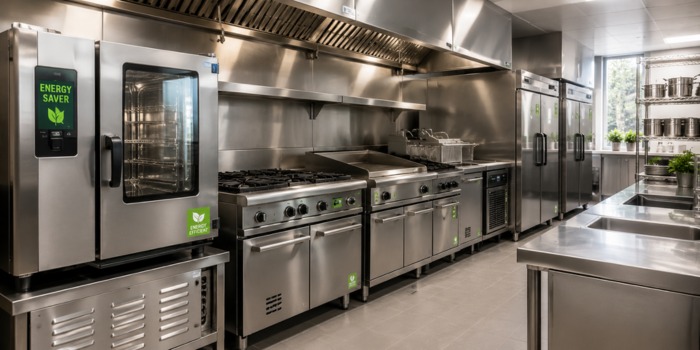
Energy-Efficient Commercial Kitchen Equipment: How Restaurants Can Reduce Costs
Running a restaurant involves many daily expenses, including electricity, gas, water usage, and equipment maintenance. As energy prices continue to increase, many restaurant owners are searching for smart ways to reduce operating costs without affecting food quality or customer service.
One of the best solutions is investing in energy-saving kitchen appliances. Modern equipment is designed to use less power while delivering better performance and faster cooking results. Choosing the right appliances can help businesses lower monthly utility bills and improve overall kitchen efficiency.
Why Energy Efficiency Matters in Restaurants
Commercial kitchens operate for long hours every day. Ovens, refrigerators, freezers, fryers, exhaust systems, and cooking stations consume a large amount of electricity and gas.
Using energy-efficient appliances helps restaurants:
- Reduce electricity bills
- Lower gas consumption
- Improve equipment performance
- Reduce maintenance expenses
- Support eco-friendly operations
Today, many businesses are upgrading to Energy Efficient Kitchen Equipment to improve long-term savings.
Choose Modern Cooking Appliances
Older cooking appliances usually consume more energy because of outdated technology. Modern systems are designed to heat faster and reduce energy waste.
Appliances That Help Save Energy
- Induction cooktops
- Smart ovens
- High-efficiency fryers
- Automatic steamers
- Energy-saving grills
Many restaurants now prefer Commercial Cooking Appliances with advanced technology to improve kitchen productivity and reduce utility costs.
Upgrade Refrigeration Systems
Refrigerators and freezers work continuously throughout the day. Poor cooling systems can increase electricity consumption significantly.
Tips for Energy-Efficient Refrigeration
- Use modern cooling units
- Keep doors closed properly
- Clean condenser coils regularly
- Avoid overloading storage space
- Maintain correct temperature settings
Efficient refrigeration systems help businesses improve food safety while lowering power usage.
Use Proper Kitchen Ventilation
Ventilation systems are important for removing heat, smoke, and grease from commercial kitchens. Poor ventilation increases indoor temperature and forces cooling systems to work harder.
Benefits of Efficient Ventilation
- Better air circulation
- Reduced kitchen heat
- Improved staff comfort
- Lower cooling costs
- Cleaner working environment
Modern Restaurant Kitchen Solutions often include smart ventilation systems that automatically adjust airflow based on cooking activity.
Maintain Equipment Regularly
Even energy-efficient appliances can waste power if they are not maintained correctly. Regular servicing helps equipment operate smoothly and consume less energy.
Maintenance Tips
- Clean appliances daily
- Inspect gas connections
- Check electrical systems
- Replace damaged parts quickly
- Schedule professional servicing
Well-maintained Professional Kitchen Equipment performs better and lasts longer.
Switch to LED Lighting
Lighting also contributes to electricity costs in restaurants. Traditional bulbs consume more energy and generate extra heat.
Advantages of LED Lighting
- Lower electricity consumption
- Longer lifespan
- Reduced heat generation
- Better brightness
- Lower maintenance cost
Many food businesses now install LED systems as part of their Commercial Kitchen Upgrade plans.
Train Staff to Save Energy
Restaurant employees play an important role in reducing energy waste. Simple habits can make a big difference in monthly operating costs.
Energy-Saving Practices for Staff
- Turn off unused appliances
- Keep refrigerator doors closed
- Use correct cooking temperatures
- Report equipment issues quickly
- Avoid unnecessary water usage
Proper staff awareness helps improve overall kitchen efficiency and reduces wastage.
Benefits of Energy-Efficient Kitchen Equipment
Investing in modern appliances provides both short-term and long-term benefits for restaurant owners.
Major Benefits Include
- Lower monthly utility bills
- Reduced maintenance costs
- Improved cooking performance
- Better workplace comfort
- Eco-friendly business operations
- Increased equipment lifespan
Businesses using energy-efficient systems often experience better operational control and long-term financial savings.
Future of Smart Commercial Kitchens
The restaurant industry is rapidly moving toward automation and energy-saving technologies. Smart appliances with digital controls, automatic temperature management, and efficient power usage are becoming more common in modern kitchens.
Restaurants that invest in energy-efficient systems today can stay competitive and reduce operational expenses in the future.
Conclusion
Energy efficiency is now one of the most important factors in commercial kitchen management. Choosing modern appliances, maintaining equipment properly, and training staff can help restaurants reduce electricity and gas expenses significantly.
Investing in smart kitchen technology not only lowers operational costs but also improves performance, safety, and sustainability. Restaurants that focus on energy-saving solutions can create a more profitable and efficient business environment.